What is breast cancer?
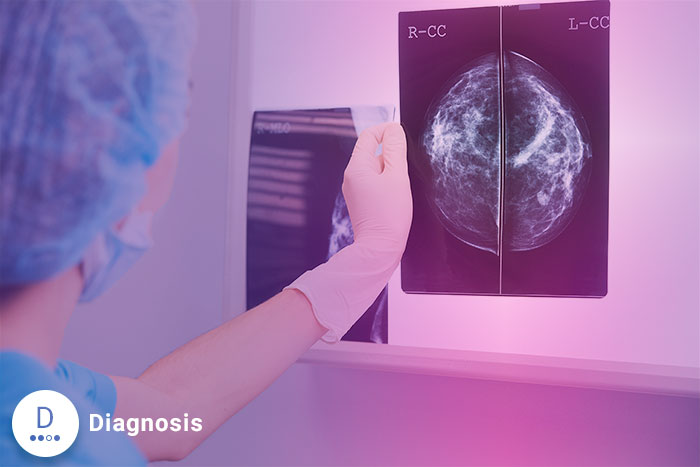
Breast cancer is a type of cancer that occurs when there is an uncontrolled growth of abnormal cells in the breast. Breast cancer is the most common cancer in women after skin cancer, according to the Centers for Disease Control and Prevention.
Less frequently, breast cancer can occur in men.
Normally, cells in the breast that are old or damaged will stop dividing and die. These cells are replaced by healthy young cells. Breast cancer occurs when old or damaged cells divide and multiply uncontrollably. This results in the development of a malignant mass of tissue (tumor) in the breast.
If left untreated, breast cancer cells can continue to multiply and spread to other parts of the body—a process called metastasis. As breast cancer progresses, it interferes with vital processes and functions of the organs where it has spread, such as the liver, bones and lungs.
Prognosis of breast cancer varies depending on the type of breast cancer and the stage of advancement; your age, medical history, and coexisting conditions or diseases; and other factors.
If diagnosed and treated in an early stage of development, breast cancer is curable in many cases.
Breast cancer can lead to life-threatening complications and be fatal, especially if it is undetected and untreated. Seeking regular medical care offers the best chances of discovering breast cancer in its earliest, most curable stage. If you have breast cancer, following your treatment plan may help reduce your risk of serious complications.