
View Providers

What You Might Not Know About Breast Cancer
Since breast cancer affects so many people around the world—and 1 in 8 American women over their lifetime—research is active and ongoing. We’re learning more about breast cancer risks and treatments all the time. Here are some lesser-known breast cancer facts that may help you understand this common but unsettling disease.
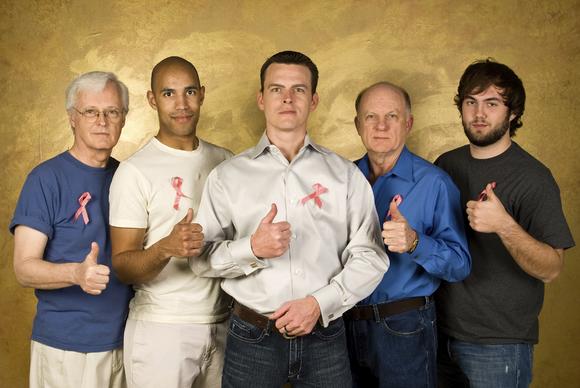
1. Men can get breast cancer, too.
According to the CDC, 224,000 American women find out they have breast cancer each year—but so do more than 2,000 American men. Signs of male breast cancer include nipple discharge, breast swelling or a breast lump (painful or not), inward-turning nipples, and dimpling or redness of breast skin. See a doctor for these symptoms. The sooner you have a diagnosis and treatment of breast cancer, the more likely you’ll make a full recovery.

2. Breast “self-awareness” is gaining popularity over a monthly breast exam.
For years, doctors recommended performing breast self-exams to search for signs of breast cancer. But they didn’t prove to be helpful in catching the disease. The American Cancer Society now recommends “breast self-awareness” in conjunction with mammograms. Breast self-awareness means being familiar with the size, shape, texture, and overall appearance of your breasts. With breast self-awareness, you’ll be more likely to notice something abnormal with your breasts.
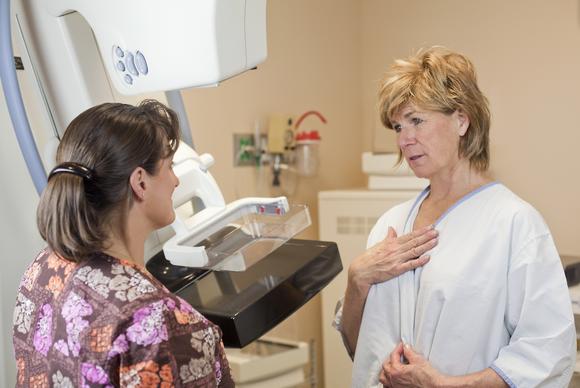
3. Not all breast cancer is life threatening.
Every breast cancer diagnosis should be taken seriously. But research finds that mammograms can detect very small breast cancers and precancerous growths that, if treated, won’t lengthen your life or improve your quality of life. Mammograms do save lives, but more tests are necessary for a breast cancer diagnosis. Doctors study several pieces of information to determine the best course of action. If you receive a diagnosis, learn as much as you can about your specific type of breast cancer and consider getting a second opinion. Know your options in order to choose the most sensible treatment for you.

4. Breast cancer is most common in women older than 60.
Breast cancer cases that tend to be most alarming are the cases of pregnant women or other very young women fighting breast cancer. The reality is that half of breast cancers occur in women aged 62 and older, according to the National Cancer Institute. A woman’s risk of breast cancer increases as she moves into her 50s and 60s. You can’t control every risk factor, such as a family history of breast cancer, but it’s important to stay on top of the risk factors you can control. Examples of controllable risk factors include overweight and obesity, lack of exercise, smoking, and chronic heavy drinking.

5. Night-shift work increases breast cancer risk.
A 2013 analysis of several studies found that working at night may increase breast cancer risk by 40%. This may be due to environments, such as factories, that tend to involve shift work, and hormone imbalances that can occur with sleep disruption. If you regularly work at night, stay current with the recommended breast cancer screenings, including a mammogram every year for women 40 and older. Let your doctor know about your work situation. That way, you can work together and take steps to minimize the potential negative effect of your shift work.

6. Breast cancer risk-reducing surgery isn’t 100% effective.
Breast cancer risk-reducing surgery involves the early removal of both healthy breasts—a bilateral prophylactic mastectomy. Women (and men) with a high risk of breast cancer, such as a family history of breast cancer or mutations in the BRCA genes may choose to have this surgery. Bilateral mastectomy is 90 to 95% effective at reducing breast cancer risk. However, some breast tissue can remain and has the potential to become cancerous. If you have a high risk of breast cancer or you are close to someone who does, the most important thing is to learn about the options. Breast surgeons, oncologists, genetic counselors, and mental health providers can help you weigh the benefits and risks of surgery so you can make an informed decision.
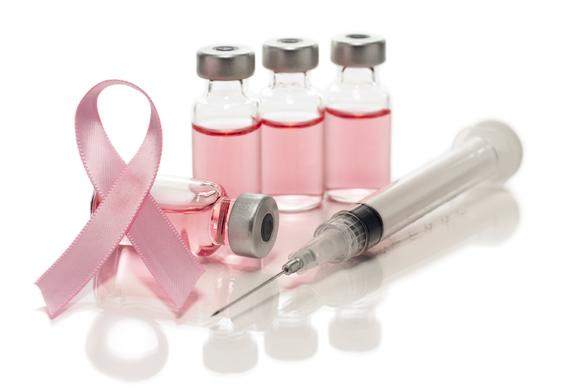
7. Medications can reduce breast cancer risk and recurrence.
Some women who have a high risk of breast cancer may be good candidates for medication instead of surgery to reduce their breast cancer risk. This is chemoprevention. Your doctor can tailor chemoprevention to your particular breast cancer risk factors and whether you have reached menopause or not. Some women also take these types of medications to lower the risk of breast cancer recurrence. Medications that can reduce breast cancer risk and recurrence include tamoxifen, raloxifene and exemestane. These powerful drugs may increase the risk of developing other medical problems, so carefully discuss the pros and cons before starting therapy.