
View Providers
A three-dimensional (3D) mammogram is a new FDA-approved technology for taking breast X-rays. The proper medical name for this is tomosynthesis. It produces a 3D picture of your breast by taking several X-rays from many different angles. A computer turns them into 3D images. A 3D mammogram uses technology similar to a CT scan. Take a look at the benefits, precautions, and what to expect to see if a 3D mammogram is right for you.
Benefits of a 3D Mammogram
With a standard mammogram, the technician presses your breast between two plates. X-ray pictures are recorded on a large sheet of X-ray film. A digital mammogram is similar, but the X-rays are stored on a computer, not on film. Both of these types of mammograms take a picture of the whole breast.
With a 3D mammogram, your doctor can see any problem areas in your breast more clearly. This means:
-
You probably won't have to come back for a repeat mammogram.
-
Your doctor can find breast cancer earlier.
-
There's less chance of missing a small breast cancer.
-
Doctors have a better chance of finding multiple areas of breast cancer.
You may need a 3D mammogram if you have symptoms of breast disease or you get an abnormal result from a standard mammogram. However, doctors using 3D mammograms think that all women might benefit from this technology, especially those with dense breasts. Dense breast tissue makes it harder to see cancerous tissue.
Precautions for a 3D Mammogram
Tell your doctor and the X-ray technician if you're pregnant (or could be) before having your mammogram. This is true of any X-ray procedure. Your technician will take special precautions to protect your baby.
Here's what else you need to know:
-
3D mammograms expose you to slightly more radiation. However, the amount is still considered safe.
-
Tell your doctor and X-ray technician if you are breastfeeding or if you have breast implants. You can still get a 3D mammogram, but the results may not be as reliable.
-
Try to schedule your exam at a time of the month when your breasts are not tender or swollen. Avoid the week before your period.
-
If caffeine makes your breasts tender, limit coffee and other caffeinated drinks for about a week before your mammogram.
What to Expect During a 3D Mammogram
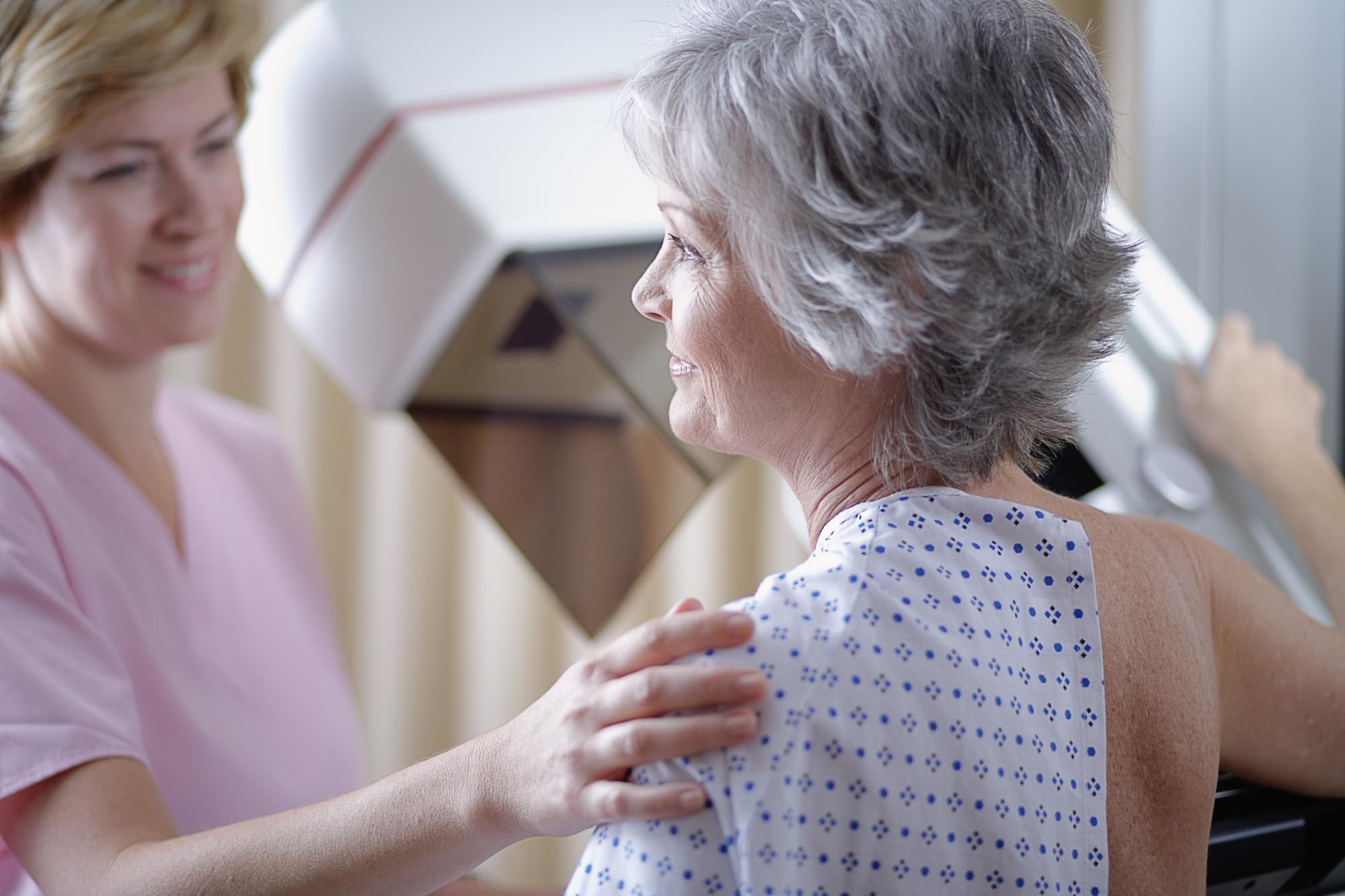
A 3D mammogram takes about 20 minutes. It’s a very similar process to a standard mammogram. Wear clothes that make it easy to undress above your waist. Don't use deodorant or antiperspirant on the day of your exam. That's because the chemicals can affect the results.
Here’s what you can expect:
-
A mammography technician will position each of your breasts for the exam.
-
You will stand next to the X-ray machine.
-
You may feel some pressure as your breast is compressed. Your breasts are not pressed as much as in a traditional mammogram.
-
You will probably have a standard mammogram as well as a 3D mammogram.
-
When the 3D part of the exam starts, a tube that takes the X-ray pictures will rotate around your breast for about 10 seconds.
A radiologist will read your X-rays and send a report to your doctor.
Making the Decision
Talk to your gynecologist or primary care provider if you’re interested in having a 3D mammogram. They can help you weigh the benefits of having a 3D mammogram versus having a traditional mammogram.
At this time, many insurance companies do not cover the additional costs (compared to traditional mammography) of 3D mammography because they consider it investigational. Your doctor's office may be able to help you find out how much of the additional cost—typically less than $70— your insurance carrier will reimburse you.