
View Providers

Devastating News
When someone you love is diagnosed with breast cancer, the news is devastating for everyone involved. Whether that person is your mother, sister, close friend, colleague, wife, or life partner, the diagnosis will raise many questions about what’s next. Most people want to help, but they also may be fearful of saying or doing something wrong. So what are some ways you can help a loved one cope with breast cancer?
Reach Out
It’s important to acknowledge or express concern about your loved one’s diagnosis. Here are some simple ways you might be able to help:
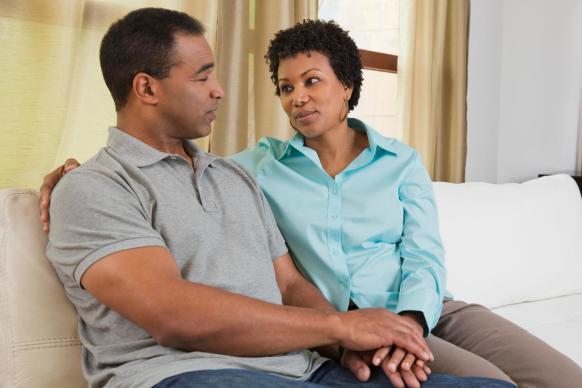
- Make yourself available to listen and ask her how she is feeling.
- Offer to help, or perhaps suggest a task you could assist her with.
- Be honest about your feelings. For instance, it’s OK to admit that you don’t know what to say.

Don't Add Pressure
Take care what you say. It’s great that you want to help, but be careful to avoid unhelpful actions. Some tips include:
- Don’t offer advice unless she asks for it.
- Don’t comment on a decline in appearance, such as losing weight or looking pale.
- Don’t add pressure by saying something like, “Keep that positive attitude.” You want her to feel that she can be honest with you about her emotions.

Respect Her Wishes
Help with everyday tasks. If someone with breast cancer turns down your offer to help, respect her wishes. But if she would like your help, there are many things you might be able to do. Perhaps offer to run errands, such as do her grocery shopping.
Prepare a Meal
Can you cook? If so, offer to prepare a meal. You could even freeze meals for later use. Be sure to leave a note identifying the dish and simple heating instructions.

Pitch In
Assist with housework or yard work. Maybe you could pitch in around the house or in the yard. Some ways to help could include:
- Washing dishes
- Doing laundry
- Vacuuming
- Dusting
- Watering plants
- Mowing the lawn

Offer a Ride
Do you drive? Providing transportation could be extremely helpful.

Lend a Hand with Loved Ones
Babysit or pet-sit. Does your friend or loved one have kids or pets? She might appreciate it if you offer to help with them from time to time.

Keep It Confidential
If you learn that a colleague has been diagnosed with breast cancer, be sure to respect her confidentiality. Do not share the news of her diagnosis with anyone unless she gives you permission.

Remain Open
If your wife or life partner has been diagnosed with breast cancer, both of you will experience a wide range of emotions. Open and honest communication will be crucial. Be specific and express your viewpoints as you think of them, instead of waiting for days to reveal them. At other times, listening can be far more powerful than speaking.

Stay Close
Show affection. It’s OK to continue being close and intimate. You can’t catch cancer from another person. So don’t be afraid to kiss, hug, or have intercourse with your partner. It won’t make the cancer worse, either.

Accepting Change
If your partner undergoes a mastectomy (removal of a breast) or lumpectomy (removal of the tumor plus surrounding tissue), she might feel embarrassed by the scar or loss of a breast. The perceived loss of femininity can be difficult for many women. The two of you should examine these physical changes together, sooner rather than later, in order to start adjusting to this new reality. It’s OK for both of you to express your sadness about the loss of a breast.

Help Manage Visitors
Guard her privacy. After surgery, your partner might need you to help manage when her well-meaning friends and relatives can visit—and when they need to let her have time to relax. You can thank them for their well wishes and politely let them know she’s not up for a visit that day but that you'll pass along their warm wishes.

Write It Down
Keeping a journal could give you some sense of control. It may also be a good way for you to help your partner keep track of each doctor visit, and it will allow you to express how you are feeling.