
View Providers
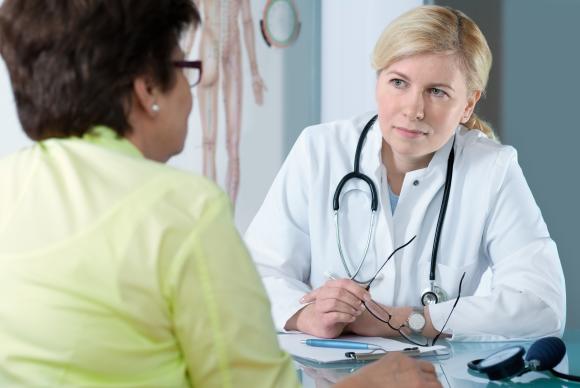
A biopsy is a powerful diagnostic tool.
Your doctor may recommend a breast biopsy to check out a lump or possible problem that showed up on a mammogram or during a physical exam. A biopsy tells the doctor what this is. From your perspective, knowing what to expect with a breast biopsy is important. It can reduce your stress and make the experience easier. Here's what you need to know.

1. Most women who have a breast biopsy do not have cancer.
The numbers related to breast biopsies is important information to have. Among women who have a biopsy, 20% have cancer. That means, though, that 80% do not. Either way, you need to know exactly what your status is. A breast biopsy will reveal that. The biopsy will either rule out breast cancer, or it will let your doctor accurately diagnose it. The test involves taking out a small amount of tissue from the area. A pathologist then examines the tissue under a microscope to see if it is cancerous or benign (noncancerous).
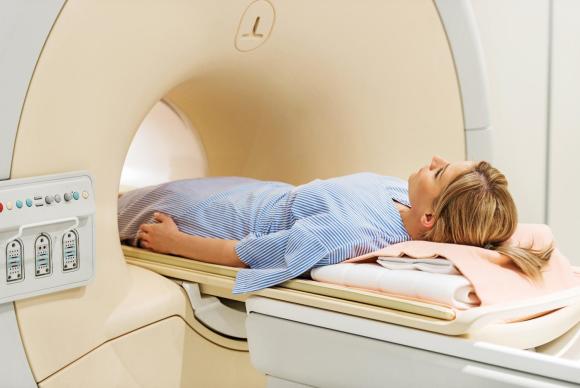
2. There are many different types of biopsies.
The size and location of the suspicious area will affect the type of biopsy you need. Any other medical conditions you have may play a role, too. Options include the use of needles or a small vacuum and a surgical procedure. A radiologist may also assist in the biopsy process by using imaging techniques. They include X-rays, ultrasound, or MRI (magnetic resonance imaging) to help locate the lump.
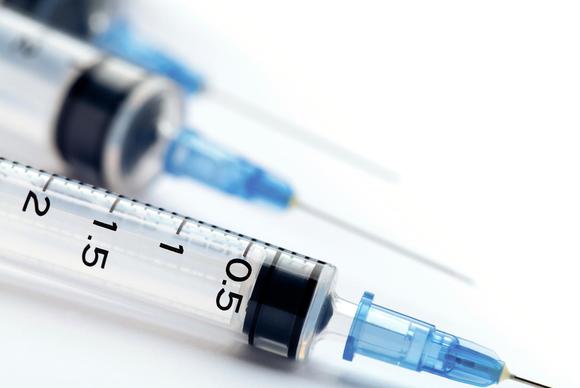
3. Needle biopsy is a common method.
There are two main types of needle biopsies: fine needle aspiration biopsy (FNAB) and core needle biopsy (CNB). With FNAB, the doctor uses a very thin needle to remove tissue. With CNB, the doctor uses a slightly larger needle to remove small tubes, or “cores,” of tissue. One variation is a stereotactic core needle biopsy. For this, X-rays and a computer provide images to guide the doctor. You would have a local anesthetic for a needle biopsy and would not feel anything. Women often can have a needle biopsy in their doctor’s office.
4. One type of biopsy uses a vacuum device.
For a vacuum-assisted biopsy, the doctor makes a small cut in the skin and inserts a hollow probe. The probe is attached to a vacuum. The doctor moves the probe to the lump, using imaging techniques as a guide. Then, the vacuum gently suctions a cylinder of tissue into the probe and removes it from the surrounding tissue. Women often can have this type of breast biopsy in their doctor's office, under local anesthesia.
5. Another type of biopsy involves surgery.
Today, doctors often suggest having a needle biopsy first. They follow with a surgical biopsy if they need to see more tissue. In some cases, the doctor wants to see more tissue from the start. Then, a surgical biopsy is a better choice. For this, the doctor makes an incision (cut) in the breast. Then, through this open area, the doctor can remove all of the suspect tissue (called an excisional biopsy). Or, the doctor can remove some of the tissue (an incisional biopsy). Most women have this type of biopsy in a hospital operating room, under local anesthesia. It's usually an outpatient procedure.

6. Recovery from a breast biopsy should be simple.
A woman who's had a breast biopsy usually goes home with a small bandage over the area. You may develop some bruising. Using an ice pack can alleviate swelling. An over-the-counter painkiller should ease any discomfort. At first, take it easy. You should be able to get back to your normal activities within a day. With a surgical biopsy, you might have stitches. Your doctor will tell you how to care for them.
7. Expect answers in about a week.
After the biopsy, your doctor will send your tissue to a pathologist. That specialist will analyze it and send the results to your doctor. That can take up to a week. If the biopsy shows no signs of cancer, your results are benign (not cancer). However, you might still need some type of treatment. If the biopsy shows cancer, your doctor will tell you about it and explain what the next steps should be.

8. What to do if your results are benign:
Some women still feel uneasy, even if their biopsy results are benign. If that's the case, you may want to ask for a second opinion. You could ask to have the tissue examined by another pathologist. Or, you could have another doctor review the pathologist's findings. Once you’re comfortable that you're cancer-free, it’s important to continue to get regular mammograms and breast exams. That way you'll know right away if something suspicious develops in the future. Also, talk to your doctor about your risk of breast cancer, based on your medical history and family history. Always tell your doctor about any changes in your breasts.
9. What to do if your biopsy shows cancer:
If the biopsy indicates cancer, your doctor may want to do more imaging tests or procedures. Or, your doctor might refer you to a breast cancer specialist. Be sure you know what type of breast cancer the doctor says you have. Is it "in situ?" That's cancer that started in a milk duct and has not spread to nearby tissue. Or, is it "invasive?" That's cancer that has spread to nearby tissue. Is it "HER2-positive?" That's cancer that has a protein that can make it grow faster. Ask questions until you completely understand the type of cancer you have. Also make sure you know exactly what treatment your doctor recommends.