
View Providers

A Closer Look at Hormonal Therapy
Doctors use hormonal therapy to treat various health conditions by manipulating the hormones in your body. In some cases, the goal is to block specific hormones from causing or worsening a disease, such as cancer. In other cases, such as when you don’t make enough hormone, a doctor may prescribe additional hormone so that your body functions correctly. Here are some ways your doctor uses hormonal therapy, plus a look at what's on the horizon.

1. Stopping Breast Cancer
Hormone therapy reduces or completely blocks certain hormones from reaching breast tissue. Doctors may use it as a tool to keep breast cancer from returning after successful breast cancer surgery. They also use hormonal therapy as a pre-treatment to shrink cancer cells prior to breast cancer surgery. If this is successful, the doctor may be able to perform a lumpectomy instead of a more radical mastectomy.

2. Slowing Prostate Cancer
Male hormones called androgens can stimulate prostate cancer cells to grow. Because of this, doctors may give men with prostate cancer a type of hormone therapy called androgen deprivation therapy. Androgen deprivation therapy reduces the amount of androgens and prevents them from reaching cancerous cells in the prostate. This type of treatment is not a cure for cancer, but it can help shrink the cells and slow the growth of cancer.
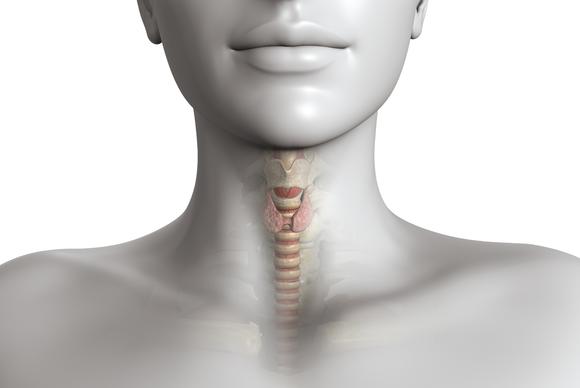
3. Regulating the Thyroid
Your body depends on thyroid hormones for everything from metabolism and muscle strength, to keeping your heart and nervous system in good working order. Your body has a hard time managing these tasks when it makes too much or too little thyroid hormone. To get your body back on track, you can take extra thyroid hormone when your body doesn’t make enough on its own. Or, you can take hormone blocking medications when you make too much thyroid hormone.

4. Regulating the Thyroid After Thyroid Cancer Surgery
If you have thyroid cancer, a surgeon will often remove all or part of your thyroid gland to remove the cancer. After surgery, you won’t be able to produce the thyroid hormones needed to regulate your metabolism. Hormone therapy provides the right amount of thyroid hormone, and can help prevent any remaining cancer cells from growing.

5. Relieving Menopause Symptoms
When women go through menopause, changes include more than the end of menstrual periods. You may also have mood swings, vaginal dryness, hot flashes, and a decreased sex drive. This is all because your body is no longer making the hormone, estrogen. Your doctor may suggest hormone therapy to replace the lost estrogen. While there are serious potential risks to this treatment, for many women there are very few risks. Talk with your doctor about the pros and cons.

6. Treating Infertility
Infertility can be caused by hormonal imbalances that affect sperm production in men and ovulation in women. Women may be good candidates for hormonal therapy, such as injections of the hormones FSH (follicle-stimulating hormone) and LH (luteinizing hormone). Men may also benefit from injections of these hormones to increase sperm production.

7. Treating Growth Disorders
The pituitary gland is responsible for producing the growth hormone, somatotropin. This hormone determines height. It also contributes to muscle and bone development and fat distribution in both children and adults. Children who don’t have enough growth hormone won’t develop normally. Too much growth hormone can cause gigantism in children or acromegaly in adults. Doctors can prescribe hormonal therapy to put this hormone back in proper balance for normal growth.

8. Helping Prevent Hypertension
Some people have hypertension, or high blood pressure, because their adrenal glands are overactive and make too much aldosterone, a hormone that balances sodium and potassium in the body. An imbalance of sodium and potassium can lead to higher blood pressure. Hormonal therapy (drugs like spironolactone, eplerenone) can counteract the effects of excess aldosterone and help reduce your risk of hypertension.

9. Who Prescribes These Treatments
Primary care doctors prescribe hormonal therapy for a variety of common health concerns. Patients are referred to specialists for more complicated issues.
Endocrinologists treat disorders associated with glands (organs that produce hormones), such as fertility issues and growth disorders.
Oncologists treat cancer using hormonal therapy. Let Healthgrades help you
find a doctor in your area.

10. Looking Ahead
Researchers continue to explore ways in which hormone therapy can treat diseases and other health problems. For instance, current research is investigating whether hormone therapy can help prevent fractures from osteoporosis and prevent colorectal cancer in postmenopausal women.