
View Providers

A “Fact Check” on Breast Cancer
A breast cancer diagnosis is shocking. It impacts your life, but having breast cancer is not what it used to mean decades ago. With significant detection and treatment advances, millions of women recover from breast cancer and are living well. Separate fact from fiction around survival rates and treatments—and move forward with a treatment plan backed by the best information from your doctor, surgeon, and other healthcare providers.

Myth #1: A breast cancer diagnosis means a poor prognosis.
It’s a heartbreaking statistic—40,000 women die from breast cancer each year. But, almost 90% of women who have breast cancer are living five years later. That’s compared to 75% in the 1970s. We’re getting better at diagnosing and treating breast cancer. If you are newly diagnosed with breast cancer, dive into treatment planning with your doctor, knowing that you have a strong chance of a good outcome.

Myth #2: Every woman with breast cancer has the same chance of survival.
Survival statistics can sound overly scary or conversely, make you feel like you’re getting your hopes up. The truth is that cancer statistics are based on large populations of people over a specific time period. It’s equally true that every woman’s case of breast cancer is unique. Your individual chance of surviving depends on such factors as your age, the stage of breast cancer, your treatment options, and your genetic makeup, including your race. Do your best research to find the right doctor and treatment for you—and have hope.
Myth #3: If I have breast cancer, I need a full mastectomy.
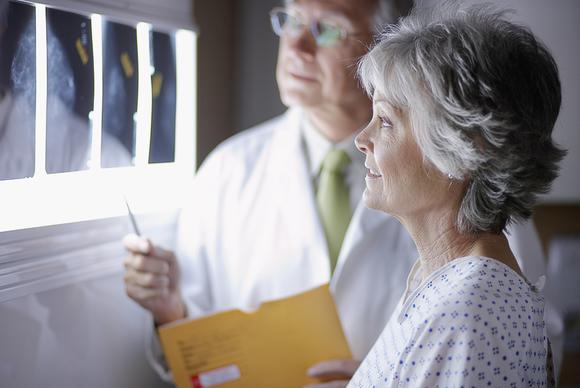
If you have a tumor larger than 5 cm (about 2 inches), doctors typically recommend a mastectomy. However, there are many effective ways to treat breast cancer of all stages and sizes. Doctors use breast-conserving surgery (lumpectomy) as well as hormone therapy, chemotherapy, and radiation to shrink tumors. Your cancer doctor will study the images of your breasts and consider your health history, family history, and preferences to plan the most effective treatment for you.
Myth #4: Breast reconstruction happens at a different time than a lumpectomy or mastectomy.
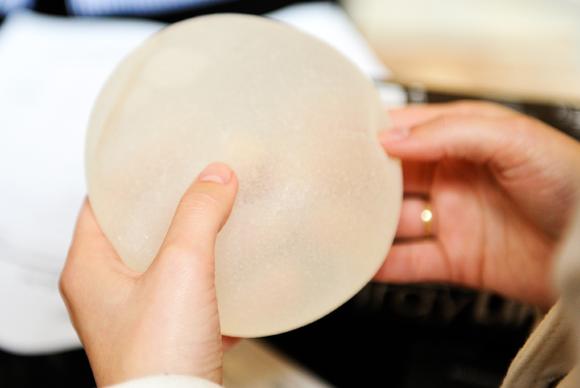
In the past, surgery to remove a breast tumor or the entire breast occurred first. Then, second and third surgeries later on would re-shape the remaining breast or reconstruct the removed one. Increasingly, surgeons are able to reshape or begin the process of reconstructing breasts in one surgery. Your breast reconstruction options depend on the size and location of the tumor. Surgery combining plastic surgery and cancer surgery is called oncoplasty. On the other hand, you may want or need to delay reconstruction so you have time to think about it or until your treatment is over, respectively. About 1 out of 5 women choose no reconstruction.

Myth #5: Every breast cancer has the same treatment.
The standard treatment used to be mastectomy or lumpectomy, then radiation to kill any remaining cancer cells. Now, doctors can tailor additional treatments to specific types of breast cancer. For example, hormone therapy can inhibit the growth of hormone receptor-positive cancers. Targeted therapy is another effective treatment that inhibits HER2-positive breast cancer cells. Hormone and targeted cancer therapies may be combined with chemotherapy. Discuss with your doctor the type of breast cancer you have and ask about the newest treatment options.

Myth #6: I need to start breast cancer treatment right after my diagnosis.
Naturally, your first impulse may be to start treatment immediately. But, research shows that starting treatment within 30 to 60 days of a breast cancer diagnosis is just as safe as starting right away. It can be helpful to take a month or two to get a second opinion about both your diagnosis and treatment options. Breast cancer is a complex disease with several different treatments. It’s worth the time to research and meet with oncologists and breast surgeons (if necessary) to choose the right one for you. These doctors should work together as your treatment team. Explore all your options before making treatment decisions.
Myth #7: Chemotherapy and radiation are too harmful.
Chemotherapy and radiation have some unpleasant short- and long-term side effects. These range from hair loss and nausea to memory problems and increased risk of developing other types of cancer later on. However, chemo and radiation can cure breast cancer and prevent it from returning in many cases. In combination with surgery and other anticancer medications, they can save your life. Ask your doctor about the risks and benefits of chemo and radiation. It’s not easy to make treatment decisions, but your doctor will be with you every step of the way.