
View Providers
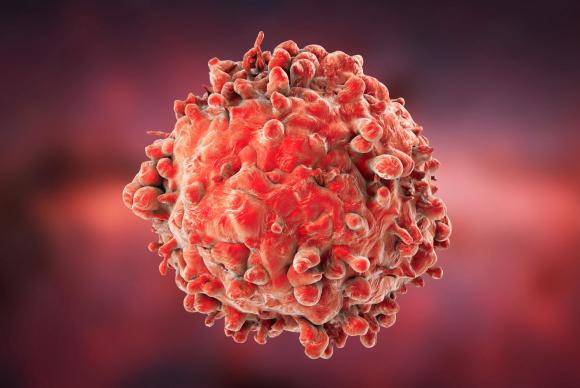
Be aware of the most common cancer in women.
Breast cancer occurs when cells in the breast grow in an uncontrolled way and form a tumor. Breast cancer is the most common cancer among women. In the United States, about one of every eight women gets breast cancer. Being knowledgeable about this type of cancer can help with prevention, early detection, and prompt treatment. Start with these six things about breast cancer.

1. Know your risk factors for breast cancer.
Although men can get breast cancer, being a woman is the biggest risk factor. Your risk before age 30 is very low. It increases after age 40, with the highest risk after age 70. Having a mother or sister who had breast cancer increases your risk. So does having had radiation treatments to your chest. Other things that may increase your risk include drinking alcohol, starting menstrual periods before age 12, getting hormone therapy, and being inactive or overweight.

2. You can reduce your risk of breast cancer.
You can’t change all your risk factors for breast cancer. But, a healthy lifestyle may help. Stay physically active and get regular exercise. Keep your weight at a healthy level. Eat healthy foods: lots of fruits, vegetables, and whole grains. Avoid unhealthy fats: the kind found in red meat, fried foods, full-fat dairy products, margarine, and many desserts. Limit alcoholic drinks to one a day.
3. Follow the recommendations for breast cancer screening.
Screening is testing to find breast cancer. Finding cancer early offers the best chance for cure. Mammography is the imaging test used to spot breast cancer. The advice on when and how often women should have this test has changed a few times in recent years. There's also some disagreement among health experts about these guidelines. Some say women at average risk should start getting mammograms at age 40; others say age 45 or 50. Experts also disagree on whether women should have a mammogram every year or every two years, and on when they should stop getting them. Your personal and family health history makes a difference, so talk with your doctor about what's right for you.

4. Know your breasts and look for breast cancer warning signs.
Examining your own breast is not a substitute for mammography. Still, you should be aware of any changes in your breast and let your doctor know. Warning signs for breast cancer include a hard lump in your breast, a change in the size or shape of your breast, and breast soreness or redness. Changes in breast skin can be a warning sign. This includes thickening, puckering and dimpling. Nipple discharge is another sign. The best way to know if something is wrong is to do self-exams often so you know how your breasts normally look and feel.
5. There are many treatment options for breast cancer.
Your treatment will depend on the type you have, how far along it is, what types of hormone receptors your cancer has, your overall health, and your age. Treatment may include surgery, radiation and many different types of cancer-fighting drugs, such as chemotherapy. Most women with breast cancer need surgery. However, many women do not need to have their entire breast removed.

6. You can survive breast cancer.
Breast cancer is still the most common cancer in women. But, the number of women older than 50 who develop breast cancer has been going down. Also, the number of deaths from breast cancer has been going down for the past 25 years. This good news is because of better screening, healthier lifestyles, and more effective treatment. In fact, there are nearly three million breast cancer survivors in the United States.