
View Providers

Surviving and Thriving
Having breast cancer is a harrowing experience. After everything you’ve been through, it’s understandable to have fears that the cancer will come back or prevent you from having the life you want. But life after breast cancer can be filled with rewarding and memorable events. Knowing the facts will clear up myths about what you can’t or shouldn’t do moving forward.

Myth #1: There’s nothing you can do to prevent breast cancer recurrence.
Some risk factors for breast cancer aren’t in your control. One of these risk factors is having had breast cancer. Some postmenopausal women who had hormone receptor-positive breast cancer continue to take an aromatase inhibitor to help prevent cancer recurrence. Whether or not you are taking this class of drugs, several lifestyle choices also can help lower your risk of cancer coming back. These include keeping your weight and stress levels down, eating a healthy diet rich in vegetables and fruits, quitting (or never starting) smoking, consuming alcohol moderately, and exercising regularly.
Myth #2: Soy will cause breast cancer to recur.
Soybeans and foods made from the soy plant (like tofu, soy milk, and soy sauce) contain estrogen-like substances called isoflavones. Many research studies point to a protective effect of soy and a reduced risk of breast cancer. But because of the estrogen-like properties of soy, researchers also have studied the potential negative effect of soy and whether soy increases cancer cell growth. Current research finds that consuming a moderate amount of soy does not increase the risk of breast cancer or the recurrence of breast cancer. Soy may even be linked to a lower risk of breast cancer recurrence. In the meantime, enjoy soy in reasonable amounts.

Myth #3: I can’t become pregnant after having breast cancer.
It may be difficult to become pregnant after having cancer treatment, especially if chemotherapy or radiation has damaged your ovaries. But many breast cancer survivors do conceive, and have healthy pregnancies and babies. If you’re thinking of trying for a baby after recovering from breast cancer, talk with your cancer doctor—and possibly a fertility specialist—about what to expect and your different options. Your overall health, treatment history, and age are all factors in your ability to become pregnant.

Myth #4: I shouldn’t become pregnant after having breast cancer.
Some types of breast cancer are sensitive to estrogen. And since estrogen levels surge during pregnancy, it’s sometimes thought that pregnancy could promote tumor re-growth. However, research so far shows that pregnancy does not raise the risk of breast cancer recurrence, according to the American Cancer Society. There’s also no evidence that babies of breast cancer survivors have a higher risk of birth defects. If you are planning a pregnancy or would like to in the future, discuss the timing with your doctor. The timing will depend on how long you’ve been cancer-free and what medications you’re taking.
Myth #5: I shouldn’t breastfeed after having breast cancer.
If you had one breast removed (unilateral mastectomy) and you still have a healthy breast, you can breastfeed your baby. There’s no evidence that doing so would harm you or your baby. You won’t give your baby cancer through breast milk. And research shows that producing breast milk does not cause a breast cancer recurrence. You may find that you have a low milk supply, or your baby may have some challenges latching on to your breast. If that’s the case, ask your doctor or a lactation consultant for recommendations and support.
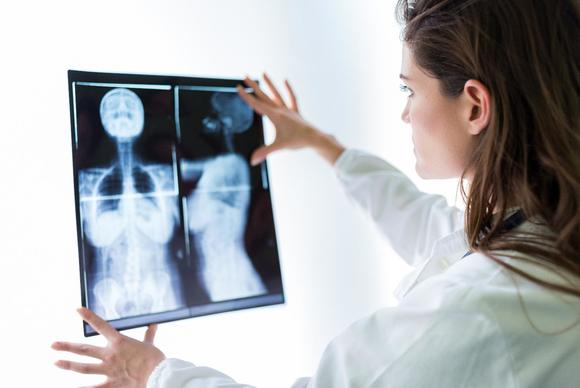
Myth #6: I don’t need a mammogram after a mastectomy.
If you had one breast removed or if you had a lumpectomy, you still need to have mammograms. The remaining breast is still at risk for cancer. If you had both breasts removed, you don’t need mammograms because there’s not enough breast tissue to image. However, it’s possible for cancerous cells to grow in any remaining breast tissue after mastectomy. Regardless of your specific surgery, you still need to perform self-exams of remaining breast tissue and under your arms. Your doctor or nurse will show you how to do this after you recover from treatment. You also will see your doctor at regular intervals during the months and years after you finish your breast cancer treatment to check for signs of cancer.