
View Providers

You have resources to help you during treatment.
If you’re being treated for breast cancer and feel a bit
lost or adrift, you’re not alone. It’s not uncommon for women undergoing
treatment to need help finding the most effective strategies for improving
their quality of life. You have many options that can help you feel better, calmer,
more optimistic, less fatigued, and perhaps even stronger. Don’t be afraid to
ask for help.
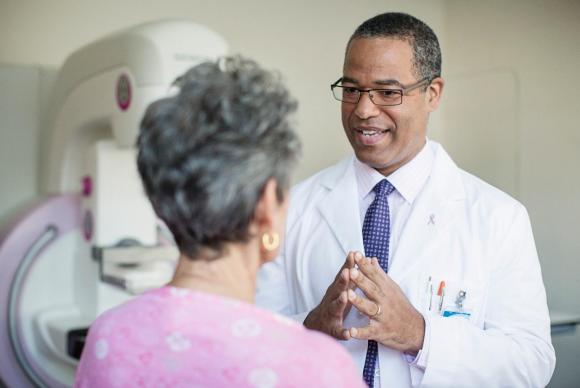
1. Keep in contact with your healthcare team.
One of the most important things you can do is to
communicate with your healthcare team. Let them know if you develop any new
symptoms or if your existing symptoms worsen. Give them a call if you’re having
problems eating, keeping food down, or staying hydrated. Talk to them about
your pain medication. And don’t be afraid to tell them if you’re feeling lonely
or scared and want to talk to someone. Your healthcare team may be able to
adjust your treatment regimen or provide other types of support to you.

2. Ask about palliative care.
First, let’s clarify something: palliative care is NOT the
same thing as hospice care. Hospice care is end-of-life care. Palliative care
is designed to improve a person’s quality of life during the entire course of
treatment for a serious illness—to reduce pain or relieve symptoms and stress associated
with the disease. Many cancer centers have palliative care specialists on
staff, so ask if you could visit with one.

3. Stay active.
In the past, healthcare experts urged people undergoing
cancer treatment to avoid exercising. Not anymore. According to the American Cancer
Society, staying as physically active as possible can help you feel and
function better during your breast cancer treatment. Exercise can reduce your
fatigue levels and improve your mood, too. If you’re new to regular exercise, talk
to your doctor about where to begin, and be sure to start slow and take
frequent breaks if you need them.

4. Try yoga.
You’ve started walking, or biking, or swimming. Now,
consider adding yoga to your repertoire. As with other complementary therapies,
yoga cannot cure your cancer, but it can help you feel better. Yoga can help
reduce your blood pressure and heart rate, which can reduce your stress levels
and make you feel more relaxed. It may also lessen some of the fatigue that
often accompanies cancer treatments, according to recent research. Talk to your
healthcare team about the best type of yoga to try, as some versions are more
strenuous than others.

5. Don a compression garment.
For many people, an unpleasant side effect of cancer
treatment (specifically, surgery or radiation) is lymphedema. Lymphedema is
swelling that occurs when lymph fluid builds up in the fatty tissues right
under your skin. Your oncologist may suggest a number of strategies for
relieving the discomfort, including elevating the affected body part or doing
simple stretching exercises. Another easy strategy is to use a compression
garment, a type of tight-fitting sock or sleeve that can help reduce swelling.

6. Join a support group.
Sometimes, it really helps to talk with someone who knows
exactly what you’re going through—and how you’re feeling. Breast cancer support
groups offer an opportunity to connect with other people who are undergoing or
have undergone treatment. You can ask questions, vent, get help and maybe even
make a few friends. Your oncologist’s office should be able to connect you with
a local group, or there may be one affiliated with your medical center. You may
feel drawn to a group organized by a professional, or you may feel more of an
affinity for a group led by a breast cancer survivor.

7. Find an online community.
Maybe joining a support group isn’t your cup of tea. Perhaps
you’re shy, or you don’t like large groups of people. Or you just don’t feel up
to attending a meeting in person right now. An online support group may be more
appealing to you. A growing number of social media platforms now exist
specifically for people with cancer—including some breast cancer-specific
networks.

8. Try progressive muscle relaxation.
Having cancer is an inherently stressful experience. Progressive
muscle relaxation is a simple but effective stress reduction technique that you
can practice just about anywhere, anytime. You can sit or stand, as long as
you’re in a comfortable position. Tense the muscles in your toes, hold for a
few seconds, then release. Gradually work your way up your body, through your
legs, your abdomen, your fingers, your arms and your face. Take deep slow
breaths during the process, and feel the stress melt away.

9. Consider qi gong or tai chi.
Many people with breast cancer have found relief in various
complementary medicine therapies in addition to their regular treatment
regimen. For example, you might consider trying gentle forms of martial arts
that emphasize a mind-body connection and flowing, fluid movements, like tai
chi and qi gong. The stretching associated with these practices can help
strengthen your body and enhance your balance, and you may feel calmer and less
fatigued afterwards. However, as with any complementary therapy, be sure to
check with your healthcare provider first.

10. Write it down.
Some research suggests that journaling can help women with
breast cancer process their feelings and even experience fewer physical
symptoms. Whether you keep a paper journal or write on a blog, putting your
feelings into words can be a very therapeutic action. You can express your
frustration or fears or even your biggest hopes and dreams. You can set goals
or make plans. You don’t have to show it to anyone—it’s all about expressing
yourself however you’re most comfortable.